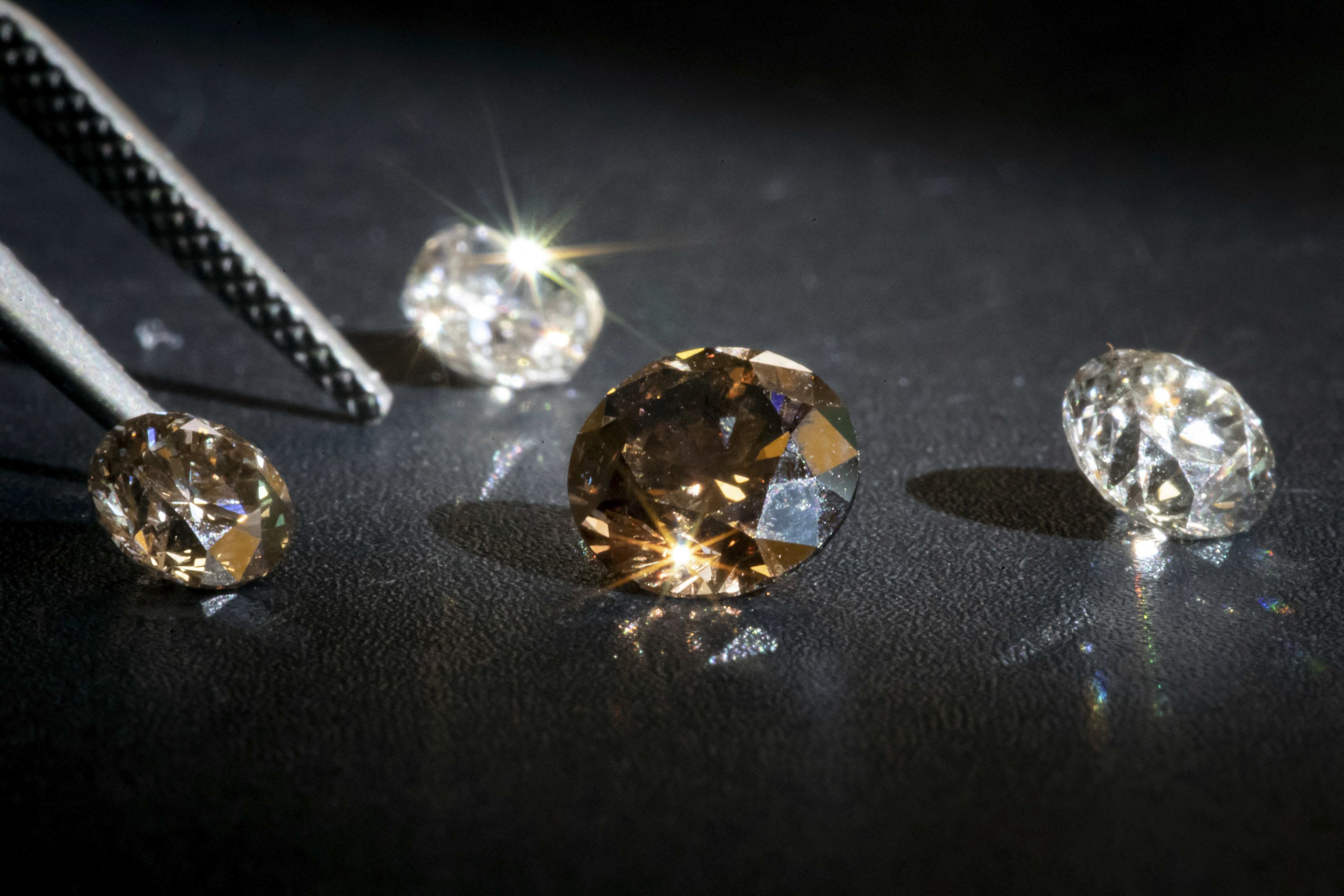

Diamonds made in labs? They’re actual diamonds, just grown indoors. Same hardness, same shine, same carbon structure – nothing different about how they behave. You can polish them round, princess-cut, whatever shape fits. Graders check lab stones using identical rules. One thing sets them apart: origin story. Earth-made ones took ages underground, forming under pressure and heat over eons. A few weeks might pass, sometimes stretching into months, before a diamond forms inside a lab through high-tech methods. Picking one of these stones means you still get what matters without compromise.
Lab Created Diamonds Worth Considering
One reason could be their smaller environmental footprint. Yet another lies in consistent quality control during production. Some value the ethical aspects behind them. Others find the price difference appealing. Then there is the matter of availability and supply transparency.
- Fair treatment during mining means you know the diamond didn’t come from a place where workers suffered. The stone reached you without exploiting anyone along the way.
- A single spark of change begins underground, where machines grow gems without tearing up soil. These stones rise on electric currents rather than diesel engines, leaving fewer footprints in the air.
- Lab diamonds usually come in at a lower price – think 20 to 40 percent under mined ones that match in size and quality. Not every gem needs to be pulled from deep underground to look just as good on your hand.
- Fresh details pop up when you follow where things come from, plus proof checks out without hassle.
Picture this: one carat, buy lab grown diamonds, top clarity – dig it out of the ground and the price sits at five thousand dollars. Grow it in a lab? Three thousand five hundred. The difference leaves room in your pocket. Maybe that opens up space for something bigger. Or sharper. Savings shift what feels possible.
Lab Created Diamonds How They Are Made
Two main methods produce lab grown diamonds.
- A tiny diamond fragment goes into carbon material. Under intense heat, pressure builds up sharply. The process copies how diamonds form deep underground. Machines push the elements together forcefully. Earth’s inner world works much the same way. Conditions get harsh enough to reshape matter slowly.
- A gas made from carbon splits apart inside a room where tiny diamond pieces sit. Because of this splitting, thin sheets form right on those small stones. With things happening just so, the way light moves through can be shaped exactly. The look – how clear or tinted – ends up matching what was planned.
A lab-made stone ends up just like one pulled from the ground – same makeup, feel, and shine. Whether grown in a chamber or dug from soil, the spark stays unchanged.
Things to think about when buying
A purchase of lab created diamonds follows familiar guidelines. These mirror what you know from mined stones.
- A stone’s sparkle depends on its shaping. Choose one marked good or better for how it’s been cut.
- A stone graded D carries no hint of color at all. Moving toward Z, traces begin to appear, subtle but noticeable under light. Preference shapes choice just as much as cost does. Some favor absolute clarity, others accept a warmth for savings.
- What you see inside or outside a stone tells its clarity story. Rarity climbs when imperfections fade. Price follows where purity shows.
- A diamond’s weight tells you its size. Think about how much space it takes up alongside how clear or shiny it looks, depending on what you can spend.
- A smart move is choosing gems backed by a certificate. When it comes to proof, labs like GIA or IGI set the standard. Trust grows when you see real data on paper instead of promises. Accuracy matters – especially with something as delicate as stone evaluation.
Lab Grown Diamonds Where to Buy
Shopping happens on websites sometimes, yet brick-and-mortar shops stay open too.
- Shoppers see clear images, clips, sometimes proof of authenticity. Costs tend to drop since online stores skip heavy expenses. Running things digitally cuts down on space, staff, extra layers. That saving shows up in what people pay.
- Looking at diamonds up close is possible inside jewelry shops. Questions get answered on the spot by people who work there, also guidance comes when picking special ring designs.
You could look at an online shop first, checking costs on screen. After that comes a walk downtown where you step into a jeweler to see things up close. The stone gets studied under bright lights before any decision takes shape.
Maintaining Your Lab Created Diamonds
Cleaning man-made gems takes little effort.
- Rinse gently after scrubbing with care using soapy water and a delicate bristle tool. Finish by wiping down each surface when done.
- Bleach can damage gems. Strong acids might dull their shine too. Stay clear of sharp chemical cleaners for best results.
- Keep it protected. A dedicated pocket or cloth bag works well to avoid surface marks.
Proper care ensures your diamond maintains its sparkle for years.
Frequently Asked Questions
Are lab grown diamonds real diamonds
True enough, these stones match real diamonds in makeup, resistance to scratching, plus how they bend light. Yet their origin sets them apart. Still, the visual result? Nearly identical under most conditions.
Do lab grown diamonds hold value
Lab-grown stones usually cost less compared to natural ones. While they hold worth in rings or necklaces, their price might not rise like that of scarce earth-mined gems.
What separates a diamond grown in a lab from one pulled out of the earth?
Few would notice it at first glance. Lab tests are what reveal its true source.